
When a pope dies or resigns, 120 cardinals gather in the Sistine Chapel, lock the doors, and hold one of the most secretive elections in the world. No speeches. No campaigns. Just a series of silent ballots, and eventually, white smoke.
The papal conclave has selected new popes for nearly 800 years. The word itself means “with key”, a reference to the literal locking-in of the cardinals. The rules have evolved since the 13th century, but the process remains shrouded in mystery. What we do know comes from leaks, betting markets, and rare historical diaries.
In 2025, the cardinals may once again gather to choose a new pope. But what factors determine the outcome? Geography? Politics? Theology? Divine Intervention?
We’ve explored 800 years of conclave history to try and find the answer. Let’s explore how much can be known before the smoke rises!
The College of Cardinals
Only cardinals under the age of 80 can vote in a papal conclave. As of 2025, there are 135 eligible electors. Nearly four out of five were appointed by Pope Francis.
Pope Francis’s legacy is visible not only in his writings and reforms but also in the very body that will one day elect his successor. Having named more cardinals than John Paul II or Benedict XVI, he has created a remarkably large cohort of his appointees. Were they ever to vote together, their numbers alone could tip the balance.
The chart below shows how the current college of electors breaks down by the pope who ordained them.
John Paul II


Benedict XVI



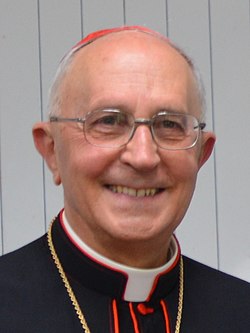
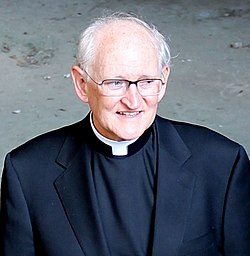


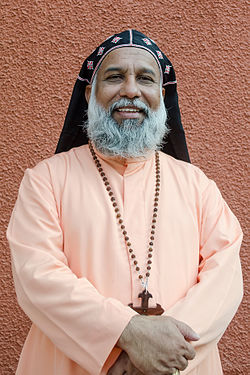
Francis


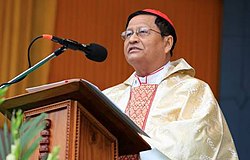








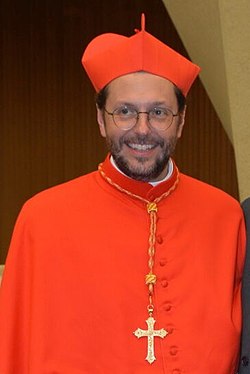


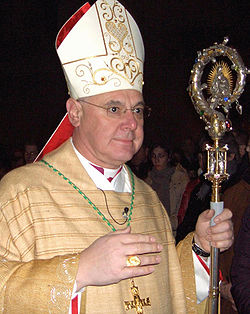


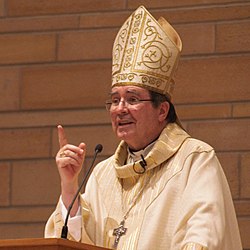


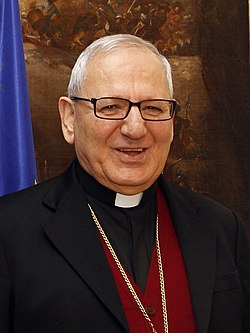


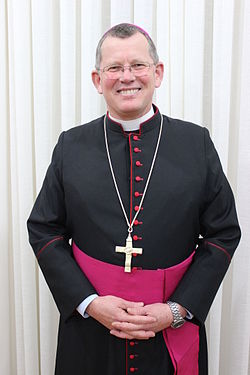
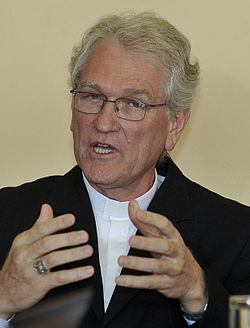


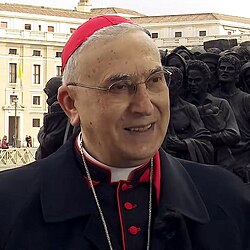
But perhaps more striking is where they’re from. They aren’t all from Italy!
Historically, conclaves were dominated by Europeans, especially Italians. Today, the electors come from every continent, reflecting the Church’s global shift. Africa, Asia, and Latin America now represent a growing share of the votes.
The modern College of Cardinals is unmistakably global. While Europe (especially Italy) still holds the largest bloc, nearly half of all electors now hail from Asia, Africa, and the Americas combined. When the next conclave convenes, it won’t be a Euro-centric affair but a gathering that truly reflects the Church’s presence on every continent.
This widening geographic trend raises a fresh question: in such a diverse, worldwide Church, what qualities will cardinals value most in the next pontiff? Will they look for a seasoned Vatican insider—or a shepherd with feet on the ground across the globe?
Shepherd or Statesman
Not all popes are the same. Some are theologians or power brokers. Others are parish priests at heart.
Historically, papal electors have leaned toward two kinds of leaders:
- Diplomatic popes: curial veterans, Rome insiders, administrators
- Pastoral popes: bishops and missionaries with deep local experience
Pope Francis, a former Jesuit and Archbishop of Buenos Aires, represents a clear shift toward the pastoral—emphasizing mercy, outreach, and simplicity. His style stands in contrast to Pope Benedict XVI, a theologian and doctrinal conservative rooted in the intellectual and liturgical traditions of the Church. Yet, not all popes fit neatly into one category. For example, John Paul II combined diplomatic weight as a global human rights advocate with a pastoral charisma that made him a beloved, globe-trotting figure.
The matrix chart above maps modern popes along two key axes—pastoral vs. diplomatic and reformist vs. conservative—to highlight how their leadership styles and ideological priorities have shaped the Church. It reveals clear contrasts, from doctrinally strict diplomats like Benedict XVI to reform-minded pastors like Pope Francis.
Before the ballots are cast, each cardinal might weigh a candidate against these very traits, asking “Is he more shepherd or statesman? More reformer or conservative?” And “What does the church need today, and possibly for the next 30 years.”
For all their differences, every pope—diplomat or pastor, reformer or conservative, has had to navigate the same secretive, super‐majority ballot process.
The Sacred Numbers (Conclave Ballots)
The pope isn’t chosen by a single vote, they are chosen by many, in secret.
Each day of the conclave, cardinals cast up to four ballots. To win, a candidate must receive a two-thirds majority of votes—usually 80 out of 120. If no one reaches that threshold, voting continues until white smoke rises.
But not all votes are equal. Early rounds often feature respectful votes for someone not expected to win. Nods of esteem, not serious endorsements. As the rounds continue, names consolidate. Coalitions form. Surprises emerge.
Want to see how that played out in real life? The 2013 conclave began with Angelo Scola in the lead, but ended with a shock.
See how the 2013 conclave shifted from frontrunners like Angelo Scola to an unexpected consensus: Jorge Mario Bergoglio, elected Pope Francis.
Yet if you’d glanced at the betting markets on Day 1, you’d never have guessed Bergoglio’s surge. Odds on the favorite barely budged even as votes swung—and that tells its own story about uncertainty in the Sistine Chapel.
Betrayed by the Odds
If you had asked the betting markets in 2013, the next pope was going to be Angelo Scola. Or maybe Peter Turkson. Or Marc Ouellet. Jorge Mario Bergoglio? A longshot, barely on the board.
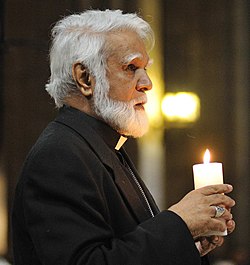
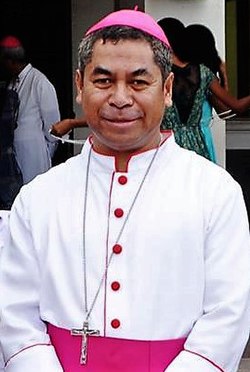
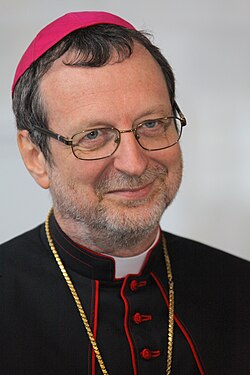
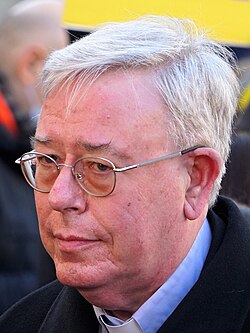
Right now the betting market Polymarket has Parolin, Tagle, and Zuppi favored to win.
Despite all the speculation, the markets in 2013 completely missed it. Even when leaks began to surface midway through the conclave, odds barely moved in favor of Bergoglio! To see exactly when (and if) the odds caught up to the cardinals’ ballots, we pulled hourly implied probabilities for the three front-runners and mapped them against six key conclave milestones.
Reading the chart:
- Early flatlines show Scola (red) as the overwhelming favorite, with Ouellet (green) in second and Bergoglio (blue) barely registering.
- After Black Smoke 2, Bergoglio’s blue line breaks upward—our model picks up the first real vote momentum.
- A second leak (La Stampa 2) accelerates his ascent even more, while Scola and Ouellet plateau or dip.
- Only by Final Smoke does the blue line overtake the others, matching the cardinals’ eventual choice.
Because these curves were made using reconstructed data not pulled straight from Betfair data, they’re best read as a relative guide to market movement rather than exact odds. They still give a clear visual of how late the market caught Francis’s surge. You can read more about forecasting closed-door decisions in this paper.
With the chart’s simulated odds laid bare, showing just how slow the markets were to catch Francis’s rise, we’re left with a simple question: if even a liquid betting market can miss the signals, could a dedicated model do better?
Can We Predict the Next Pope?
No one really knows who the next pope will be. The conclave is secret. The alliances are subtle. And divine inspiration doesn’t leave a paper trail.
But we tried anyway.
We built a simple, interactive model that lets you dial in what you believe matters:
- Political leaning: Choose Neutral, Conservative, or Reformist to boost cardinals on that spectrum
- Curia insider bias: Decide whether Vatican insiders get an edge
- Geography: Favor Italian candidates, global voices, or remain neutral
- Age: Toggle a preference for cardinals under 75
- Francis’s picks: Give extra weight to those closely aligned with Pope Francis
- Polymarket odds: Add a market-based nudge in favor of front-runners (data as of May 6, 2025)
- Real-time scoring: See exactly how each factor contributes when you check “Show factors”
Conclave Criteria
Selected Winner

As you can see if you play around with the simplistic model, there are some definite favorites. But will this be the Pope?
There’s no good way to tell. Reliable historical data isn’t available because of the secrecy of conclaves and the betting markets are unreliable. Almost certainly, based on precedent, the pope will be one of the Catholic Cardinals. The last pope to not be was Pope Urban VI.
No matter how many sliders you tweak or odds you consult, the truth remains the same: until the cardinals file into the Sistine Chapel and the smoke curls into the sky, every forecast is just an educated guess.
Conclusion
In the end, there’s really no good way to figure out who the Pope might be before the conclave convenes to decide. You just kind of have to wait. And I wouldn’t recommend betting on it. The smoke will rise, the name will be announced, and the world will meet a new pope. The Pope will be chosen not by campaign, but by consensus, prayer, and maybe a little politics.
We can analyze the data, trace the history, and watch the odds shift. But the final answer still comes in the form of white smoke rising over St. Peter’s Square.
Until then, the Game of Robes continues…
Methods
- Scraped voting-age cardinal data from Wikipedia
- Validated dates, orders, and procedures via Catholic-Hierarchy, CSUN Conclave List, and FIU Cardinals Catalogs
- Built an interactive model with political, institutional, geographic, age, papal-pick, and market-odds inputs
Bibliography
- https://en.wikipedia.org/wiki/List_of_cardinals
- https://catholic-hierarchy.org/
- https://www.csun.edu/~hcfll004/conclave-list.html
- https://cardinals.fiu.edu/catalogs.htm